

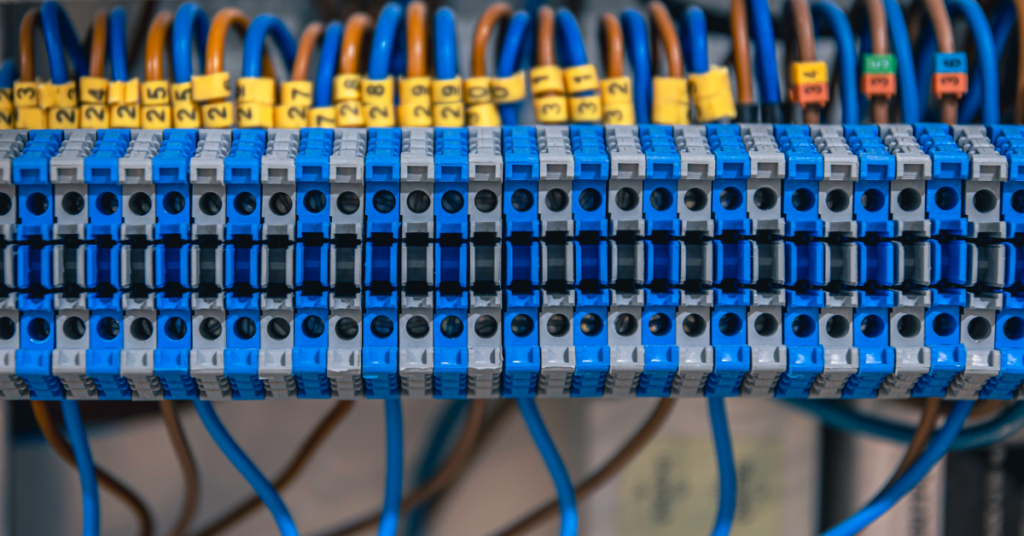
In today’s business environment, fast and reliable internet is no longer optional. From cloud applications and video conferencing to data sharing and automation, companies rely heavily on stable network performance.
If your business is experiencing slow speeds, frequent disconnections, or network downtime, the problem may not be your internet provider. In many cases, poor internal wiring is the real issue.
This is where professional structured cabling installation makes a significant difference. Businesses searching for structured cabling near me, data cable installation, or internet cabling installation in Perth are often looking for long-term solutions to improve performance and reliability.
What is Structured Cabling?
Structured cabling is a standardized system that organizes all network cables into a structured and scalable infrastructure. Instead of running individual cables for each device, a centralized system connects everything through:
- Data cables (Cat6, Cat6A, or fiber)
- Patch panels
- Network racks
- Switches and routers
This organized approach ensures better performance, easier management, and future scalability.
Signs Your Business Needs Structured Cabling
Many businesses operate with outdated or poorly installed wiring without realizing its impact. You may need professional network cabling installation near you if you experience:
- Slow internet despite high-speed plans
- Frequent network drops
- Messy or unorganized cables
- Difficulty adding new devices
- Network interference or signal loss
- Limited scalability for business growth
Upgrading to structured cabling can resolve these issues and improve overall efficiency.
How Structured Cabling Improves Internet Speed
1. Reduces Signal Interference
Poor-quality or improperly installed cables can cause signal loss and interference. Professional data cable installation ensures correct routing, shielding, and termination, resulting in faster and more stable connections.
2. Supports High-Speed Networks
Modern structured systems use high-performance cables such as Cat6 or Cat6A, which support higher bandwidth and faster data transfer speeds. This is essential for businesses using cloud services, VoIP, and large data applications.
3. Optimizes Network Performance
An organized infrastructure reduces network congestion and improves communication between devices, leading to smoother operations and better productivity.
Improved Reliability and Reduced Downtime
Network downtime can disrupt operations and result in lost productivity. Structured cabling improves reliability by:
- Eliminating loose or damaged connections
- Reducing cable clutter and accidental disconnections
- Simplifying troubleshooting and maintenance
- Providing a stable long-term infrastructure
Businesses that rely on continuous connectivity benefit greatly from professional internet cabling installation.
Scalability for Growing Businesses
As your business grows, your network needs will increase. Structured cabling allows you to:
- Add new users and devices easily
- Expand office space without major rewiring
- Upgrade network equipment without replacing the entire system
This makes it a cost-effective long-term investment for commercial and industrial environments.
Where Structured Cabling is Used
Structured cabling is ideal for:
- Offices and corporate environments
- Retail stores and commercial spaces
- Warehouses and industrial facilities
- Educational and healthcare institutions
- Smart buildings and automation systems
Many businesses combine structured cabling with electrical work services and network upgrades to create a complete infrastructure solution.
Choosing the Right Cabling Type
The most common options include:
- Cat6 – Suitable for most office networks
- Cat6A – Ideal for high-speed and larger environments
- Fiber Optic – Best for long-distance and high-bandwidth requirements
A professional site assessment helps determine the best solution based on your business size and future needs.
Why Hire Professionals for Structured Cabling in Perth?
DIY or low-quality installations often lead to performance issues and higher maintenance costs. Professional installers provide:
- Proper design and planning
- Compliance with Australian standards
- Clean and organized installations
- Performance testing and certification
- Future-ready infrastructure
If you are searching for structured cabling near me, choosing an experienced provider ensures reliable and long-lasting results.
Future-Proof Your Business Network
With increasing demand for cloud services, remote collaboration, and smart technology, businesses need robust network infrastructure. Structured cabling ensures your network can handle current requirements while supporting future upgrades.
Investing in professional installation today helps avoid costly disruptions and performance limitations later.
Frequently Asked Questions (FAQs)
1. What is the difference between structured cabling and regular cabling?
Regular cabling often involves running individual cables for each device without a proper system. Structured cabling uses a centralized and organized infrastructure that supports multiple devices, improves performance, and allows easy expansion as business needs grow.
How much does structured cabling cost in Perth?
The cost depends on factors such as the size of the property, number of data points, cable type, and installation complexity. Small offices may require minimal investment, while large commercial or industrial facilities need customized solutions. A professional site assessment provides an accurate estimate based on your requirements.
Can structured cabling improve slow internet speed?
Yes. Many network performance issues are caused by poor internal wiring rather than the internet provider. Upgrading to high-quality cables and professional installation reduces signal loss, improves bandwidth, and ensures stable connectivity throughout the workspace.
How long does structured cabling last?
A properly installed structured cabling system typically lasts 10 to 15 years or more. Choosing high-quality cables such as Cat6A or fiber ensures your infrastructure can support future technologies without frequent upgrades.
When should a business upgrade to structured cabling?
Businesses should consider upgrading when they experience slow network performance, frequent downtime, expansion of operations, increased device usage, or plans to adopt cloud-based systems and advanced technologies.
Need Structured Cabling Installation in Perth?
If your business requires reliable and scalable structured cabling in Perth, Symbient provides expert solutions for commercial, industrial, and smart infrastructure projects.
Contact Symbient today for a site assessment and customized network solution.